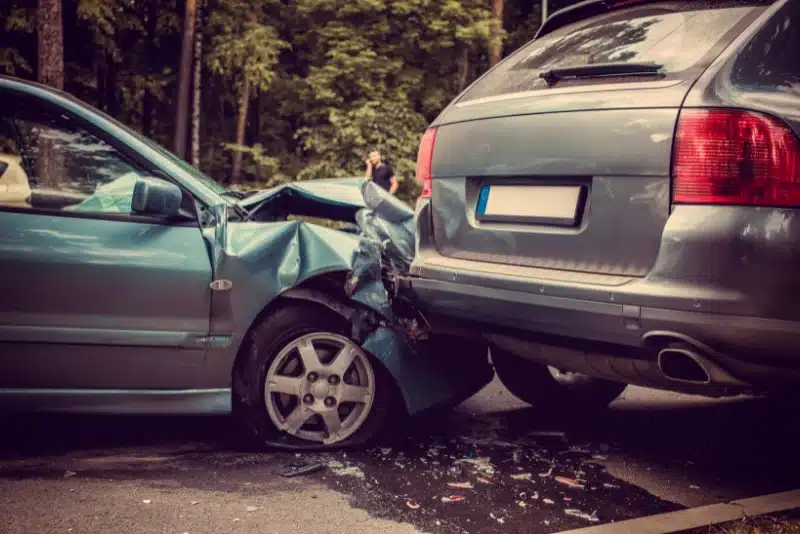
You’re driving down the freeway when it happens. Someone hits you from behind, your car jolts forward, and you feel your neck snap back.
At first, both cars seem fine. You feel okay, so you take the settlement offer and move on.
That’s the mistake most people make.
A freeway rear-end accident injury doesn’t show up right away. The real harm happens inside your body, and pain often appears hours or even days later. By then, you may have already accepted a payout that doesn’t come close to covering your needs.
Insurance companies understand this. They count on you feeling fine and settling fast.
At Freeway Injury Lawyer, we help you understand what actually happens in a rear-end collision and protect your rights.
The Hidden Damage in a Freeway Rear-End Accident
Rear-end collisions can be deceiving. The bumper might take most of the hit, so the cars look barely damaged. Your body isn’t as lucky.
When a car crashes into you from behind, your torso stays against the seat while your head and neck get thrown back. This whipping motion bends your neck in ways it shouldn’t. Muscles stretch too far. Ligaments can tear. Spinal discs may shift.
The force of a rear-end freeway accident doesn’t need to be extreme to cause serious injury. Medical literature indicates that even minor rear-end collisions can lead to significant neck injuries, regardless of how much damage your car has.
Common Freeway Rear-End Accident Injury
- Whiplash: The most common injury. It happens when your neck is whipped backwards and forward, stretching muscles and ligaments beyond their limits.
- Nerve pain (cervical radiculopathy): Nerve damage can make your arms ache or tingle, sometimes sending pain all the way down to your hands.
- Upper back and rib injuries: The thoracic spine and rib cage can be affected, leading to pain and stiffness.
- Lower back injuries: The lumbar region may suffer, sometimes requiring extensive treatment.
- Soft tissue damage: Harder to see on X-rays, these injuries involve muscles, ligaments, and discs, and often require MRI scans or specialized evaluations.
Symptoms Appear Later, Not Right Away
Adrenaline after a crash can hide pain so that you might feel fine at first. Stiffness, headaches, or tingling often appear hours or days later. Some symptoms take even longer to develop.
Research published in 2022 confirms that neck pain and soft tissue injuries from whiplash often develop hours or even days after the accident, not immediately at the scene.
Insurance adjusters use this delay to downplay your injuries. If you didn’t rush to the ER, they’ll argue you must not be hurt. That’s not true. In reality, soft tissue injuries often show up gradually, and this is well-documented.
Track your symptoms immediately after the accident. Write down when the pain starts and which movements hurt. Early medical records and detailed notes make your claim much stronger.
See a doctor soon, even if you feel okay. Let them know about the accident and get a thorough checkup. Early documentation is key.
What a Rear-End Freeway Accident Settlement Should Cover
Insurance adjusters count on you not knowing what your case is actually worth. They’ll offer enough for immediate medical bills and a little extra, making it seem like a win. It’s not.
A 2023 report by NHSTA estimates that crashes in one year cost the U.S. about $340 billion total, including medical costs and lost productivity.
A freeway rear-end accident compensation should cover:
- Current medical expenses: Cover all treatments related to your injury, like doctor visits, scans, therapy, and prescriptions. If your rear-end freeway accident settlement ignores future costs, you could end up paying out of pocket for years.
- Future medical costs: If you need ongoing care or develop chronic pain, those future expenses should be part of your settlement. Don’t get stuck paying out of pocket later.
- Lost wages: Any income you miss because of your injury should be compensated, whether you’re out for days, weeks, or longer. Our lawyers can help you calculate lost income and demand it.
- Pain and suffering: This covers your physical pain and emotional distress. Insurers often lowball this amount, but it’s a major part of most settlements.
- Diminished earning capacity: If your injury permanently limits your ability to work, your compensation should account for lost future income.
Each of these categories matters. Make sure your settlement reflects the true impact of your accident.
Why You Need a Rear-End Accident Injury Lawyer
You can handle a rear-end freeway accident claim on your own, but it’s usually a mistake.
Insurance adjusters are trained negotiators. Their job is to settle for less. You know your pain, but that alone isn’t enough to get a fair deal.
A rear-end accident injury lawyer knows how to value your injuries, gather the right evidence, and counter the tactics adjusters use. They understand which records and reports matter most and how to build a strong case.
At Freeway Injury Lawyer, we look at your full situation. We review your medical records, gather police reports and witness statements, and add up every cost from your injury. Only then do we negotiate, which is why our clients get settlements that actually fit their needs.
Insurance companies make better offers when they know a skilled lawyer is involved. They take your claim seriously instead of tossing out low numbers. In fact, according to the Insurance Research Council, people who work with a lawyer typically receive higher compensation for their injuries than those who handle claims alone.
Moving Forward After Your Accident
A freeway rear-end accident injury doesn’t just hurt your body. It can disrupt your work, strain relationships, and make everyday tasks difficult. We can help you pursue compensation available under California law.
Your settlement should cover all your losses, including future expenses and ongoing pain. Don’t settle for what seems enough now. Make sure your agreement reflects the real, long-term impact of your injury. That’s how you avoid regret if new medical bills or lasting pain show up later.
Ready to Protect Your Rights
After a freeway rear-end accident, waiting only makes things harder. Memories fade, evidence gets lost, and it can become tough to prove how serious your injuries are. Acting quickly gives you the best chance.
At Freeway Injury Lawyer, your case review is free. We’ll answer your questions and explain your options with no pressure or obligation.
Book your free case review today.
Frequently Asked Questions
Can I claim injury if my car has minimal damage?
Yes, you can. Car damage and personal injury are two different things. Insurance companies might say minor car damage means you couldn’t be hurt, but that’s not true. Even low-speed crashes can cause soft tissue injuries.
How long after a rear-end accident can I file a claim?
In California, you have two years from the date of the accident to file. Still, don’t put it off. The sooner you start, the easier it is to gather evidence and build your case.
What if I didn’t go to the hospital immediately?
You can still file a claim. Many injuries don’t show up immediately. See a doctor as soon as you can, and tell your lawyer about the delay. They know how to handle this.
Will my case go to trial?
Most of these cases settle out of court. Insurance companies usually prefer to avoid a trial. Your lawyer will still prepare for trial, which often helps you get a better settlement.
How much is my case worth?
It varies. The value depends on your injuries, treatment costs, time off work, and any ongoing care you might need. We can look at your situation and give you a realistic estimate.