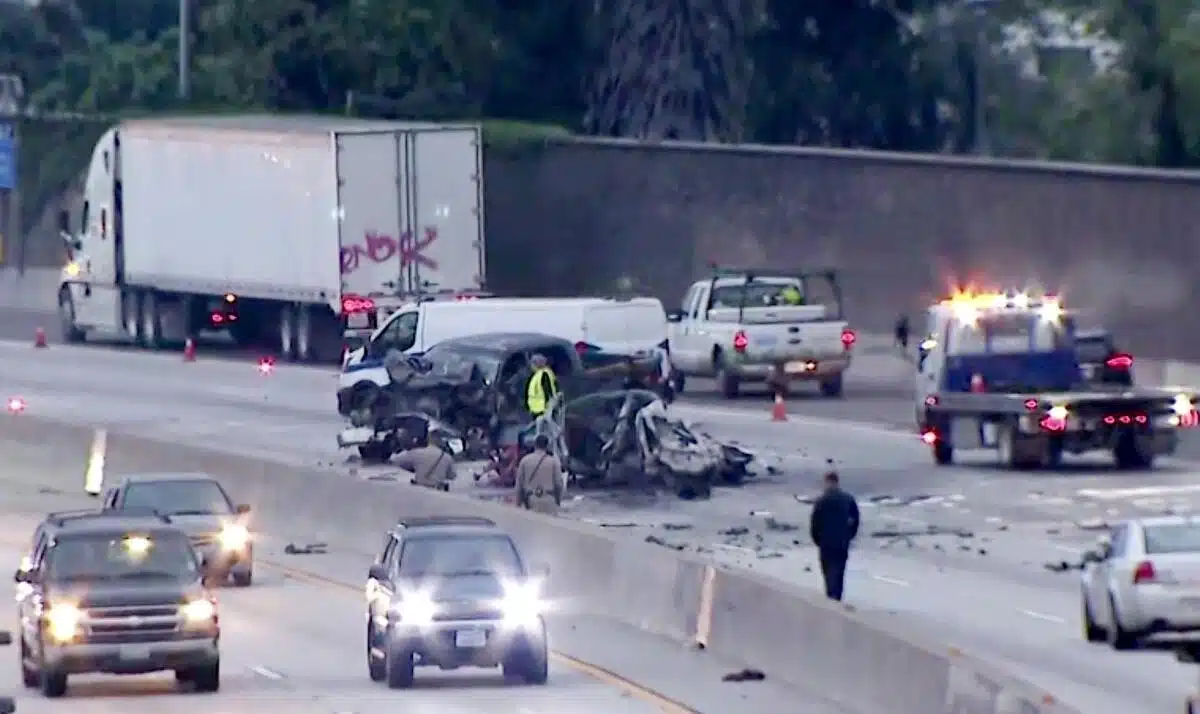
You are driving at full speed on a busy freeway, music playing, mind on your next stop. Then it happens. A sudden brake. A loud crash. Everything jolts at once. Cars are swerving, horns are blaring, and for a few seconds, it feels like time stops. This is the reality of a freeway accident. Unlike regular road crashes, these accidents often involve higher speeds and multiple vehicles, which makes injuries and damage more severe.
According to the National Highway Traffic Safety Administration, high-speed collisions significantly increase the risk of serious injury. In moments like this, confusion is normal. But what you do in the next few minutes matters for both your safety and your case.
Step 1: Get to Safety Immediately
Right after a freeway accident, your first instinct might be to check your car or step outside. But safety comes first. Imagine being stuck in the middle lane while cars are still speeding past. That is how secondary crashes happen. If your car can move, slowly drive it to the shoulder and turn on your hazard lights so other drivers can see you. If the vehicle will not move, stay inside with your seatbelt on. It may feel strange, but it is often safer than standing on a busy freeway.
This step is not just about comfort. It is about preventing another impact. According to the Federal Highway Administration, moving vehicles out of active lanes helps reduce the risk of additional collisions. Taking a few seconds to get to safety can protect you from a much worse situation.
Step 2: Call 911 and Report the Accident
Once you are in a safe spot, the next move is simple but very important: call 911. Even if the crash feels “not that bad,” you should still report it. A lot of people skip this step because they think they are fine, but freeway crashes can hide injuries that show up later, like neck pain or dizziness.
Next, you need to file a police report. Officers document what happened, who was involved, and the conditions on the road. On freeways, this is usually handled by the California Highway Patrol.
This report becomes powerful proof later. According to the National Highway Traffic Safety Administration, official crash documentation helps clarify fault and supports injury claims by creating an unbiased record of the incident.
Step 3: Seek Medical Attention (Even If You Feel Fine)
Right after a freeway accident, your body can trick you. You might feel okay, maybe even say, “I’m fine,” and try to move on. But here is the thing, most people do not know. Your body releases adrenaline during a crash. It is like a built-in alarm system that hides pain for a while so you can react fast.
Injuries like whiplash, concussions, or internal bleeding do not always show up right away. That is why doctors recommend going to the ER or urgent care immediately after a crash. According to the Centers for Disease Control and Prevention, early evaluation after a collision helps detect hidden injuries and prevents complications.
Getting checked also creates medical records, which later connect your injuries directly to the crash. That documentation can become very important if you ever need to show how the accident affected you.
Step 4: Document the Scene Like Evidence
After a freeway accident, things move fast. Cars get towed, people leave, and within minutes, the scene can look completely different. That is why your phone becomes your best tool.
You should take photos and videos of everything you can safely capture. This includes vehicle damage, license plates, road conditions, skid marks, and any debris on the road.
Then gather basic information like the other driver’s name, insurance details, and phone number. If someone saw the crash happen, ask for their contact information too. A witness is like a neutral voice that helps confirm what really happened.
According to the National Safety Council, documenting crash scenes helps preserve important details that can fade quickly after a collision. This evidence is often what lawyers use later to rebuild the story of the accident and support their case.
Step 5: Be Careful What You Say
Right after a freeway accident, emotions run high. Your heart is racing, people are talking, and you might feel pressured to explain what happened. But this is one moment where saying too much can create problems later.
Even small phrases like “I didn’t see them” or “maybe it was my fault” can be misunderstood. It is better to stick to simple facts when speaking to the police or others at the scene. For example, you can say where you were going or what you observed, but avoid guessing or blaming yourself.
Think of it like reporting a school incident. You would not try to decide who is “guilty” on the spot. You would just explain what you saw.
According to the National Highway Traffic Safety Administration, fault in crashes is determined through proper investigation, not immediate statements at the scene. Staying careful with your words helps protect your case later.
Step 6: Notify Your Insurance Company (But Be Strategic)
After a freeway accident, one of the first calls you will likely make is to your insurance company. It feels routine, like reporting a broken phone or a delayed flight. But this step needs a little caution.
Think of it like telling a story that will be reviewed later by someone who was not there. You should report the accident quickly, but keep your explanation short and factual. For example, just say where and when it happened and who was involved. You do not need to guess fault or go into extra detail while everything is still fresh and confusing.
Also, be careful with early settlement offers. It might feel tempting to accept money quickly, especially if bills are starting to pile up. But early offers are often lower than what you may actually need for medical care and repairs.
Initial claim offers can be lower because full damage and injury costs are not always known right away. Taking your time and being careful can make a big difference in your outcome.
Step 8: Contact a Freeway Accident Lawyer Early
Things can start to feel overwhelming fast. There are phone calls, medical visits, insurance paperwork, and pressure from different sides. This is exactly the moment when getting legal help early can make a real difference.
A freeway accident lawyer steps in early to help preserve that evidence before it is lost. They also handle insurance companies, so you are not stuck arguing over numbers while trying to recover.
The Blair & Ramirez LLP team focuses on serious freeway and multi-vehicle crashes, where figuring out fault is not always simple. We work to prove negligence, which means showing four key things: duty, breach, causation, and damages.
We take the pressure off you, handle the investigation and claims process, and help you avoid mistakes that can reduce your compensation.
If you or your loved one has been in an accident, call us today for a free case review.