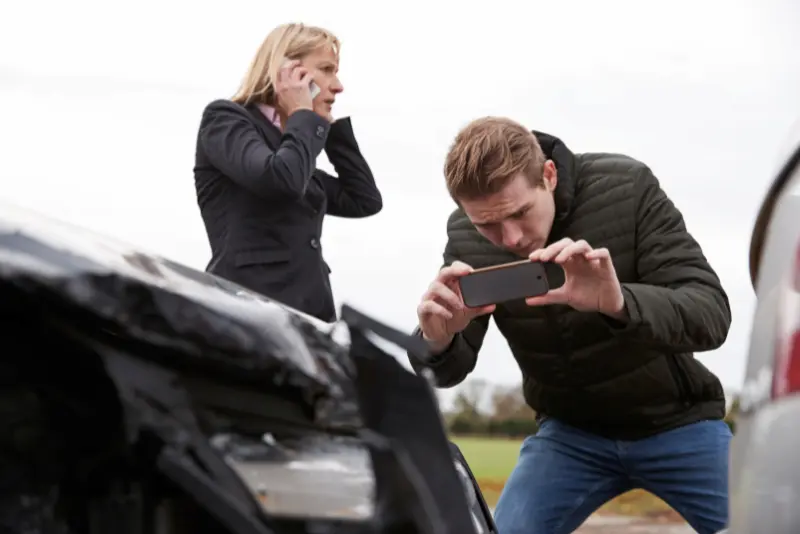
A freeway crash changes your sense of time. That sounds dramatic until it happens to you.
One minute, you’re driving down I-5 thinking about dinner. Maybe music plays. Maybe your kid is asleep in the back seat. Then the headlights flash. Tires scream. Metal folds like paper. And suddenly, every day after that accident feels strange.
You wait for X-rays, callbacks, or insurance adjusters who somehow sound cheerful while delaying everything.
And then the question arrives, usually at 2 A.M., and when your shoulder still hurts: How long does a freeway accident case take?
At Freeway Injury Lawyers, we hear that question every single week. We also understand why people ask it. Bills pile up fast in California. Rent does not pause because someone rear-ended you on the 405. Your body heals slowly. Your anxiety heals even more slowly.
Some cases settle in months. Big cases can take longer. But one thing matters more than speed: whether your case gets handled the right way from day one.
Because rushing a serious injury case often costs people thousands. Sometimes more.
Why Cases Move Fast
Some freeway accident claims move surprisingly quickly. Why? Because the facts speak loudly.
Maybe the police report clearly shows fault. Maybe witnesses saw everything. Maybe the other driver admitted they were texting. In cases like these, insurance companies sometimes realize they cannot play games forever.
But even “simple” cases still need work.
At Freeway Injury Lawyers, we gather medical records, crash reports, freeway camera footage, witness statements, and insurance documents immediately. That early pressure matters. Insurance companies notice when a law firm moves fast.
A small whiplash case with clear liability might settle in a few months. But that is not the reality for everyone.
And honestly? Fast is not always good.
Think about settling your case in eight weeks, only to discover six months later that you need neck surgery. Now the case is closed. The bills are yours.
That happens more than people think.
How Injuries Change Everything
Most people do not realize this part. Your medical treatment controls much of your timeline.
Doctors need time to understand how badly you were hurt. Some injuries hide at first. Adrenaline masks pain. Back injuries worsen slowly. Brain injuries can look “minor” until memory problems appear months later.
That is why the duration of a freeway accident case depends heavily on recovery time.
California attorneys often wait until clients reach what doctors call “maximum medical improvement.” That means your condition has stabilized enough to predict future care costs.
Without that information, settlement numbers become guesses. And insurance companies love guesses when those guesses save them money.
We have seen clients feel “mostly okay” after a crash, only to need injections, surgeries, or years of therapy later. Freeway collisions create violent force. Even low-speed crashes can change a person’s life.
So yes, patience matters. But smart patience matters more.
Is Insurance Delaying on Purpose
Sometimes? Yes.
Insurance companies rarely announce delays openly. They do it quietly.
They request “one more document.” They reassign adjusters. And they stop returning calls for weeks.
Meanwhile, injured people panic. Savings disappear. Stress grows.
A 2026 California settlement analysis found that more complex cases now take longer to resolve than they did a few years ago. Cases involving higher damages and more disputes often stretch into multi-year timelines.
That does not mean your case is failing. It often means the insurance company knows your case carries real value.
And here is the uncomfortable truth: some insurers hope exhaustion forces people into cheap settlements.
We refuse to let that happen.
At Freeway Injury Lawyers, we push constantly. We prepare cases for trial early instead of waiting around. Insurance companies behave differently when they know your lawyers are willing to go the distance.
How Court Battles Add Years
Some cases settle before a lawsuit gets filed. Others explode into full-court fights.
And once litigation begins, the timeline changes.
Discovery takes time. Depositions take time. Expert witnesses take time. California courts already deal with crowded calendars, especially in larger counties.
One recent California appellate case showed exactly how complicated freeway accident lawsuits can become.
In Birdsall v. Helfet, decided by the California Court of Appeals in 2025, a Bay Bridge rear-end collision turned into years of legal conflict over settlement terms and trial evidence. The court reviewed whether the insurance company properly accepted a policy-limit settlement offer and whether evidence about seat belt use should have been allowed at trial. The original jury awarded millions in damages, but the appellate court later reversed the judgment and ordered a new trial.
Think about that for a second: One freeway crash. Years of litigation. Multiple court hearings. And appeals after trial.
That case matters because it shows why serious injury lawsuits rarely move in straight lines. Even strong cases hit legal detours.
And honestly? That is exactly why preparation matters so much from the start.
Why Big Settlements Take Longer
People often ask this quietly. Almost nervously.
“Does a bigger case take longer?”
Usually, yes.
When injuries involve surgeries, permanent disabilities, lost future income, or traumatic brain injuries, insurance companies fight harder. The financial stakes rise dramatically.
You can even see this pattern in real-world settlement behavior.
In 2025, Reuters reported that Tesla settled a California crash lawsuit shortly before trial involving a fatal freeway-related collision tied to Autopilot technology. The case had already moved toward trial before settlement discussions finally closed the dispute.
That is common in high-value claims.
Defendants often wait until trial pressure becomes real before serious negotiations happen.
Why? Because delaying sometimes benefits them financially.
That is frustrating. We know.
But large settlements usually require stronger evidence, deeper investigation, more expert testimony, and tougher negotiation. Serious cases demand serious preparation.
How Long Is Too Long
Here is the better question.
Not “how long does a freeway accident case take?” But: “Is my case moving forward?”
A good law firm keeps momentum alive. You should know what stage your case is in. You should receive updates. You should understand delays instead of sitting in silence, wondering what is happening.
At Freeway Injury Lawyers, we believe communication matters almost as much as results because uncertainty eats at people. And after a freeway crash, life already feels uncertain enough.
Sometimes cases truly need more time. Other times, delays signal a weak legal strategy. That difference matters enormously.
A strong legal team knows when to negotiate patiently and when to apply pressure.
Frequently Asked Questions
How long does a freeway accident settlement usually take?
Many California freeway accident settlements are resolved within several months to a year. Cases involving severe injuries, disputed fault, or lawsuits often take much longer. Every case moves differently because every injury and insurance dispute looks different.
Why do freeway accident lawsuits take so long?
Medical treatment is one major reason. Lawyers often wait until doctors fully understand your long-term condition before negotiating final compensation. Court schedules, insurance disputes, and expert investigations also slow cases down.
Is it bad if my case has not settled yet?
Not necessarily. Some of the strongest injury cases take longer because insurance companies resist paying full value. A delayed case does not automatically mean a weak case.
Should I accept the first settlement offer?
Usually, no. Early offers often arrive before victims understand the full cost of treatment, lost wages, or future medical care. Once you accept a settlement, reopening the claim becomes extremely difficult.
Can a freeway accident case settle without going to court?
Yes. Most personal injury claims settle before trial. But preparing every case as if it may reach court often strengthens settlement negotiations significantly.
What if the insurance company stops responding?
That happens more often than people expect. An experienced attorney can escalate pressure through formal demands, litigation steps, and court filings when insurers delay unfairly.
How does California law affect my timeline?
California has strict filing deadlines for injury claims, usually two years from the crash date. Court congestion in larger counties can also affect how quickly lawsuits move forward.
Do bigger injuries mean bigger delays?
Often, yes. Cases involving surgeries, permanent disabilities, or future medical care usually require more investigation, expert testimony, and negotiation before resolution.
The Clock Feels Different After a Freeway Crash
After a serious collision, time stretches strangely.
Weeks feel like months.
A single insurance voicemail can ruin your entire afternoon. Even small tasks suddenly feel exhausting.
We understand that.
At Freeway Injury Lawyers, we know clients are not just waiting for settlements. They are waiting to breathe normally again, to sleep normally again, and to feel like life belongs to them again.
So, if you keep asking yourself (How long does a freeway accident case take?), here is the honest answer: It takes as long as it takes to protect your future properly.
Sometimes that means months. Sometimes longer. But we never stop pushing. We never disappear. And we never treat your case like another file sitting on a desk.
Because after a freeway crash, momentum matters. Pressure matters. Experience matters.
And having the right legal team beside you can change everything. Reach out.